|
|
|
Primary Immunodeficiency Disorders
|
Flow cytometric testing plays an important role in the evaluation for pediatric immunodeficiency, including acquired and primary immunodeficiencies. Many of us provide flow cytometric testing for the acquired immunodeficiency associated with HIV infection, but are less familiar with testing for primary immunodeficiency disorders (PID). I had the opportunity to learn more by interviewing the directors of four laboratories known for their expertise in this area:
- Maurice (Mo) R.G. O'Gorman, MSc, MBA, PhD, D(ABMLI), Professor Pathology and Pediatrics, Feinberg School of Medicine, Northwestern University and Vice Chair Pathology and Laboratory Medicine, The Children's Memorial Hospital, Chicago, IL, USA.
- Troy R. Torgerson, MD PhD, Assistant Professor, Pediatric Immunology/Rheumatology
Co-Director Immunology Diagnostic Laboratory (IDL), University of Washington & Seattle Children’s Hospital, Seattle, WA, USA.
- Jack J.H. Bleesing, M.D., Ph.D., Associate Professor of Pediatrics, Division of Bone Marrow Transplantation & Immune Deficiency, Cincinnati Children's Hospital Medical Center, Cincinnati, OH, USA.
- James W. Verbsky M.D./Ph.D., Assistant Professor of Pediatrics and Microbiology and Molecular Genetics, Medical Director of the Clinical Immunology Research Laboratory, Medical College of Wisconsin, WI, USA.
As you can see from the table (Table 1), the four laboratories differ widely in the type and volume of testing they offer. To get an even better understanding of the laboratories and the demands of testing for PID, I asked each Director to describe a patient scenario that illustrates the type of testing they perform.
Dr. Mo O’Gorman, The Diagnostic Immunology and Flow Cytometry Laboratory, Chicago, IL
 An older patient with repeated infections and a history of Pneumocystic carinii pneumonia. This type of patient would be assessed for the possibility of either a humoral and or cellular immunodeficiency and would have immunoglobulin levels measured (maybe even complement levels and complement function assessed) as well as routine flow. Depending on the results, more specific tests would be ordered. For example in this case if the patient had elevated IgM with low IgG and IgA along with an elevated CD4:CD8 ratio, the leading differential diagnosis would be CD40-ligand deficiency, formerly known as X-linked hyper IgM syndrome and a specific test could be performed. If the in vitro assessment of CD40-ligand measurement on activated T cells was abnormal a presumptive diagnosis could be ascertained and a genetic test for mutations in the gene encoding CD40-ligand could be performed. In our laboratory we would repeat the CD40-ligand assay and request a sample from the patient’s mother. Since the disease is X-linked if the mother is a carrier (i.e. this is not a de novo mutation in the patient) her CD40-ligand assay would also be expected to be abnormal, providing further evidence of the diagnosis of CD40-ligand deficiency. An older patient with repeated infections and a history of Pneumocystic carinii pneumonia. This type of patient would be assessed for the possibility of either a humoral and or cellular immunodeficiency and would have immunoglobulin levels measured (maybe even complement levels and complement function assessed) as well as routine flow. Depending on the results, more specific tests would be ordered. For example in this case if the patient had elevated IgM with low IgG and IgA along with an elevated CD4:CD8 ratio, the leading differential diagnosis would be CD40-ligand deficiency, formerly known as X-linked hyper IgM syndrome and a specific test could be performed. If the in vitro assessment of CD40-ligand measurement on activated T cells was abnormal a presumptive diagnosis could be ascertained and a genetic test for mutations in the gene encoding CD40-ligand could be performed. In our laboratory we would repeat the CD40-ligand assay and request a sample from the patient’s mother. Since the disease is X-linked if the mother is a carrier (i.e. this is not a de novo mutation in the patient) her CD40-ligand assay would also be expected to be abnormal, providing further evidence of the diagnosis of CD40-ligand deficiency.
Dr. James Verbsky, Clinical Immunodiagnostic and Research Laboratory, Milwaukee
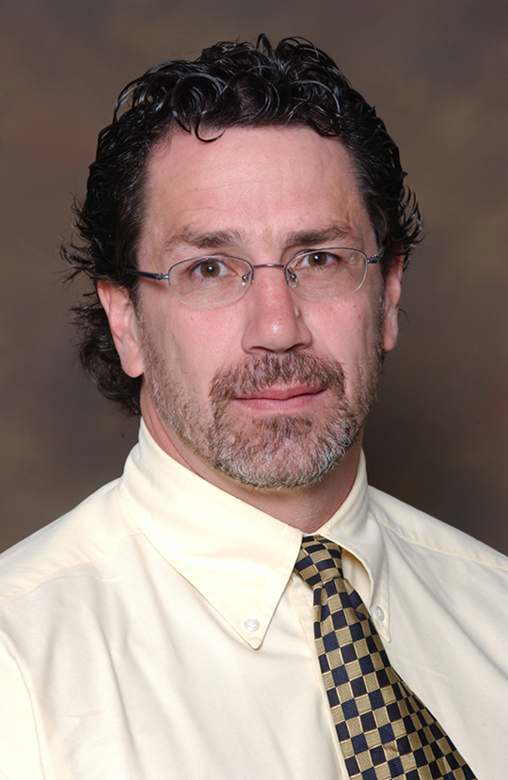
 A patient presents with severe diarrhea, failure to thrive, eczema, and recurrent infections. A number of primary immunodeficiencies can present this way, including chronic granulomatous disease, IPEX (Immune dysregulation, polyendocrinopathy, enteropathy, X-linked), XLP2 (X-linked lymphoproliferative disease type 2), and CD25 deficiency. Testing for neutrophil oxidative burst with a DHR (Dihydrorhodamine) assay was normal. Testing for T cell mitogen responses and CD25 expression by flow cytometry were normal. XIAP expression, the abnormal gene in XLP2, was normal. Flow cytometric testing for IPEX, however, shows a lack of Foxp3 expression, confirming the diagnosis. This is just one of many scenarios where flow cytometry is a very useful technique to evaluate the immune system. The testing for these disorders needs to be done together with a clinical consultant to help guide the workup, since flow cytometry can be used to aid in the diagnosis of a variety of immune defects A patient presents with severe diarrhea, failure to thrive, eczema, and recurrent infections. A number of primary immunodeficiencies can present this way, including chronic granulomatous disease, IPEX (Immune dysregulation, polyendocrinopathy, enteropathy, X-linked), XLP2 (X-linked lymphoproliferative disease type 2), and CD25 deficiency. Testing for neutrophil oxidative burst with a DHR (Dihydrorhodamine) assay was normal. Testing for T cell mitogen responses and CD25 expression by flow cytometry were normal. XIAP expression, the abnormal gene in XLP2, was normal. Flow cytometric testing for IPEX, however, shows a lack of Foxp3 expression, confirming the diagnosis. This is just one of many scenarios where flow cytometry is a very useful technique to evaluate the immune system. The testing for these disorders needs to be done together with a clinical consultant to help guide the workup, since flow cytometry can be used to aid in the diagnosis of a variety of immune defects
Dr. Troy Torgerson, Immunology Diagnostic Laboratory, Seattle, WA.
 Most patients with PID present in one of 3 ways: With infections (too many, prolonged, unresponsive to treatment, unusually severe, or unusual organisms), with decreased immune cell numbers (i.e. Lymphopenia or neutropenia, although these patients often present with infections), or with autoimmunity (often early onset, severe, unusual). As an example, a 1 year old girl presented to us with pneumonia that turned out to be caused by pneumocystis jirovecii. Past history was significant for autoimmune hemolytic anemia/thrombocytopenia that had begun at ~3 months of life. T cell counts were normal, B cell counts a little low for age, and NK cell counts normal. In vitro proliferation of T cells was decreased in response to both mitogens and to specific antigens. T cell immunophenotyping demonstrated that the patient’s T cells were significantly skewed from being CD45RA+ (naive) to being CD45RO+ (mature), which would be very unusual at this young age. Detailed B cell immunophenotyping demonstrated a decreased number of mature B cells and virtually no mature memory B cells or class-switched memory B cells. Immunization of the patient with Bacteriophage FX174 demonstrates that the patient makes some specific IgM antibody in response to immunization but does not amplify (boost) the response and does not class switch to make IgG. All together these data suggested a probable severe combined immune deficiency. Gene sequencing revealed compound heterozygous mutations in the RAG1 gene that led to this leaky SCID phenotype, similar to that seen in “Omenn syndrome” but without the typical Omenn rash, eosinophilia, or elevated IgE. Most patients with PID present in one of 3 ways: With infections (too many, prolonged, unresponsive to treatment, unusually severe, or unusual organisms), with decreased immune cell numbers (i.e. Lymphopenia or neutropenia, although these patients often present with infections), or with autoimmunity (often early onset, severe, unusual). As an example, a 1 year old girl presented to us with pneumonia that turned out to be caused by pneumocystis jirovecii. Past history was significant for autoimmune hemolytic anemia/thrombocytopenia that had begun at ~3 months of life. T cell counts were normal, B cell counts a little low for age, and NK cell counts normal. In vitro proliferation of T cells was decreased in response to both mitogens and to specific antigens. T cell immunophenotyping demonstrated that the patient’s T cells were significantly skewed from being CD45RA+ (naive) to being CD45RO+ (mature), which would be very unusual at this young age. Detailed B cell immunophenotyping demonstrated a decreased number of mature B cells and virtually no mature memory B cells or class-switched memory B cells. Immunization of the patient with Bacteriophage FX174 demonstrates that the patient makes some specific IgM antibody in response to immunization but does not amplify (boost) the response and does not class switch to make IgG. All together these data suggested a probable severe combined immune deficiency. Gene sequencing revealed compound heterozygous mutations in the RAG1 gene that led to this leaky SCID phenotype, similar to that seen in “Omenn syndrome” but without the typical Omenn rash, eosinophilia, or elevated IgE.
Dr. Bleesing, Diagnostic Immunology Laboratory, Cincinnati
 I. A patient is suspected of having a hemophagocytic lymphohistiocytic (HLH) disorder. Depending on the referral center, we (Dr. Filipovich/Dr. Bleesing) might consult ahead of time with the ordering physician to help with the diagnostic workup (often related to the question, whether tests are influenced by immunosuppressive drugs). Blood is send in for testing – following the three themes of testing in our Laboratory: a] Screening assay: Perforin/granzyme B assay to screen for defects in perforin and/or to confirm presence of HLH scenario; b] Functional testing: NK-cell function, CD107a assay and c] Biomarkers: measurement of sIL-Ra levels. I. A patient is suspected of having a hemophagocytic lymphohistiocytic (HLH) disorder. Depending on the referral center, we (Dr. Filipovich/Dr. Bleesing) might consult ahead of time with the ordering physician to help with the diagnostic workup (often related to the question, whether tests are influenced by immunosuppressive drugs). Blood is send in for testing – following the three themes of testing in our Laboratory: a] Screening assay: Perforin/granzyme B assay to screen for defects in perforin and/or to confirm presence of HLH scenario; b] Functional testing: NK-cell function, CD107a assay and c] Biomarkers: measurement of sIL-Ra levels.
II. A patient is suspected of having severe combined immunodeficiency (SCID). Blood is submitted for lymphocyte subsets; confirming lack/absence of T-cells (presence/absence of B-cells and NK-cells, as an indicator for the type of SCID), CD45RA/RO assay to determine the nature of (residual T-cells) with respect to being naïve or antigen-experienced, CD127/CD132 and pSTAT5 assays to screen for (3) specific SCID genotypes that can help with “informed” genetic testing. Mitogen Proliferation assay forms the qualitative (functional) part of the SCID evaluation.
How does testing for PID differ from other flow cytometric testing?
Dr. O’Gorman mentioned that some of the PID tests are very similar to CD4 enumeration and leukemia/lymphoma testing in the sense that it is immunophenotyping, i.e. the labeling of leukocytes with fluorescinated monoclonal antibodies followed by the acquisition and analysis of the cells on a flow cytometer. However, he added that many of the PID tests are very specialized procedures developed for the assessment of a specific function, marker or subset abnormality known to be associated with one of the 200 or so primary immunodeficiency diseases. Dr. Torgerson also thought that the T- and B-cell immunophenotyping panels offered in his laboratory are somewhat similar to those used in leukemia/lymphoma testing except that instead of looking for the abnormal expression of certain proteins on cells, they focus more on evaluating whether lymphocyte development is normal or abnormal. In addition to this basic testing however, he added that the investigation performed in their laboratory goes much further, looking at expression of particular proteins known to be absent or defective in certain PID’s, evaluating specific cellular or protein functions, etc. Dr. Verbsky mentioned that one major difference is the use of functional assays for PID that assess up- or down-regulation of markers, cellular activation, proliferation, apoptosis, cytokine production, etc. Dr. Bleesing summarized the type of testing performed for PID in his laboratory by describing three themes: a] Screening assays that are used to rule-out (rule-in) primary immunodeficiency disorders, typically by measuring a protein product and/or its function within a sequence of necessary events, corresponding to a variety of genes relevant to these disorders. The screening tests offered are chosen because the corresponding disorders constitute a focus point of the clinical programs at his institution, because they have correlates in the genetic program, and because they constitute assays with a high potential to provide crucial and potentially life-saving information (keeping in mind that genetic testing takes many weeks to complete). Examples include SAP assay to screen for XLP and ALPS panel to screen for ALPS. b] Assays to measure and quantify the integrity of the immune system, from both a standpoint of deficiency and dysregulation (e.g. autoimmunity, hemophagocytic lymphohistiocytic disorders). Examples include NK-function tests and Apoptosis assay. c] Assays that measure disease activity and response to therapeutic interventions (“biomarkers”). Examples include soluble IL2-Ralpha (sIL2Ra) and BAFF (relevant for B-cell reconstitution following rituximab).
In my laboratory we offer assays for chronic granulomatous disease and leukocyte adhesion deficiency using a lot fewer colors than our other testing. So I asked the Directors if that is generally the case and if so, will PID testing will migrate to using more fluorochromes? Dr. O’Gorman mentioned that one reason for staying with fewer colors is that testing is being performed for a very specific abnormality that does not require more parameters. Dr. Verbsky also mentioned that one limiting factor in migrating to more colors is obtaining abnormal specimens for validation and normal specimens at different age brackets to establish new reference ranges. Although he did add that his laboratory would like to move to 7- to 10-color immunophenotyping panels since those would require less whole blood volume, an important factor when dealing with pediatric patients. Dr. Bleesing mentioned that 6 color testing is now relatively standard in his laboratory, and it was his impression that most PID testing has moved to at least 4 colors. Dr. Torgenson’s laboratory uses LSR II instruments for most of their clinical flow cytometry which are capable of detecting at least 17 parameters, and routinely utilize 8-9 colors for much of their testing. Dr. Torgerson mentioned that he thinks that this will become more commonplace but it does require a certain level of expertise that may not be available in many labs and demands much more stringent use of compensation controls and fluorescence minus one analyses to validate testing results. Indeed Dr.Torgerson’s laboratory is increasingly focusing their efforts on the development of more sophisticated panels of flow cytometry based assays that allow them to broadly screen entire signaling pathways and events that are associated with the major classes of immunodeficiency. With this they are trying to screen many of the key signaling events required in both innate and adaptive immunity. They hope to combine these flow cytometry based assays with a next generation sequencing approach that allows them to screen for all known PID-associated genetic defects as well as a panel of additional candidate genes in one fell swoop. Dr. Torgerson’s laboratory is also working with a collaborator to pilot proteomic approaches that would allow them to screen for a large number of PID-associated defects using a small sample volume.
What are some of the most challenging flow cytometric tests performed for PID?
All of the Directors agreed that functional assays are the most challenging. Dr. Bleesing described that the complexity of functional assays occurs at several steps starting with the R&D phase, which can take one or more years, as well as after the assay has been incorporated in the menu. He added that there are numerous variables that make these assays complex and in need for stringent QC/QA oversight. In addition, they require considerable expertise from the Technicians and sometimes involvement by the Leadership to help trouble-shoot and communicate with the client-base regarding assay results and performance. Thus, in case of issues with a particular assay, his laboratory carefully analyzes where the issue originates and tries to determine whether data/information can be salvaged (being Physicians ourselves, we understand the logistics involved in obtaining/submitting samples from patients, especially pediatric patients). Dr. Torgerson added that the functional assays, such as the inducible CD40 ligand expression/CD40 binding assay performed in his laboratory, require viable cells to obtain a valid result and this is challenging because many of the samples that they receive are shipped from across North America and from international sites. Therefore, numerous controls are required to validate that absence of a particular protein is a result of a defect in the gene encoding that protein and not simply a matter of the cells not being viable or functional. Dr. O’Gorman illustrated some of the difficulties of functional assays by describing the lymphocyte proliferation assays his laboratory performs. First a lymphocyte isolation procedure is performed to obtain purified mononuclear cells. These must be washed and counted. Then the mononuclear cells are added to microtitre culture plates with antigens or mitogens that have to be very carefully titred to optimal concentrations. The culture media is prepared in the laboratory and the serum that is used must be tested for both lymphocyte activating and lymphocyte inhibitory properties. Then the cultures must be incubated in a CO2 incubator which must be strictly maintained at both 37ºC and 5% CO2. After several days in the incubator when the lymphocytes should be maximally dividing, a radiolabeled nucleic acid precursor is added for a pulse duration of 6 to 8 hours. Finally these cultures are harvested in a manner that will lyse the lymphocytes and leave the radiolabeled nucleic acid bound to a filter paper substrate. Once this is dried the individual cultures can be measured for the level of radioactivity. Clearly this is a very complex and detailed process which in the end, generates results which are very useful but in an analytical/statistical sense are not very reproducible.
Given these challenges should testing for PID only be performed in specialized laboratories?
Dr. Torgerson indicated that the more straightforward tests such as T-, B-, and NK cell enumeration, quantitation of double-negative T cells for ALPS screening, neutrophil oxidative burst testing for CGD screening, etc. can be done well by virtually any clinical lab that has a flow cytometer and 1 or 2 individuals that are able to become proficient in the common staining techniques and learn the pitfalls. However, because the field of clinical immunology is expanding so rapidly (there are currently approximately 165 single gene defects identified as causes of various primary immunodeficiency disorders), he thinks that more complex testing should probably be done in specialized labs because unless you are immersed in it all the time, it is difficult to keep up with the field. He added that in order to adequately screen for and identify these disorders, it often requires more advanced staining techniques (intracellular or intra-nuclear), staining of tricky cell populations (platelets, etc.), in vitro manipulation/activation of particular cell subsets, requirement for complicated multi-parameter flow antibody panels, etc. He also mentioned the value in having a clinical immunologist available to interpret the results in the setting of the described clinical picture. Dr. O’Gorman agreed that most flow cytometry laboratories should be able to perform at least the most common screening assays, primarily routine immunophenotyping and the oxidative burst test (assuming of course these types of patients are seen at their institutions). However, he agreed that other tests may be more specialized or require resources not available to most routine flow cytometry laboratories. He added that some PID are so rare that it would not be financially feasible for a laboratory to offer one or another specific test.
Drs. Verbsky and Bleesing favor performing testing for PID testing in specialized laboratories. Dr. Bleesing mentioned that even though some of the assays themselves may be relatively uncomplicated, input by experts in the field of PID (in essence colleagues of the folks ordering the tests who are familiar with patient issues and testing issues), is critical with regard to assay choice (pre-testing), assay execution, assay interpretation, as well as post-testing follow-up (the next tests). Dr. Bleesing mentioned that in their setting being closely associated with the Diagnostic Immunology Laboratory, he and Dr. Filipovich can often use existing specimens to expand (repeat) testing, following consultation with the client. In addition, they can forward residual specimens to the Genetics Lab in case of screening assays for PID (such that DNA is already available and does not require resubmitting of a specimen). Dr. Bleesing also mentioned that his laboratory has an important educational function, with respect to teaching fellows in Allergy/Immunology and in Hematology/Oncology Fellowships, something that is often overlooked.
How do these laboratories decide which tests for PID to offer?
Dr. Torgerson described several factors that influence what tests are performed in their laboratory. First, they try to offer a panel of tests that will allow them to screen for the most common immunodeficiency disorders including defects in all of the major compartments of the immune system in their clinic patients. Second, they are working toward being able to offer panels of testing to screen for all known causes of a particular disease such as Hyper IgM Syndrome. Third, clients sometimes request that they offer certain testing. Fourth, they offer testing for disorders they we are interested in studying on a research basis. Dr. Bleesing also indicated that the principle used by the DIL has been to provide assays that serve their own clinical programs. For these they then try to offer screening assays, assays to test the integrity of the immune system, and biomarker assays. Thus, when “new” PIDs are discovered, they determine if a screening test can be developed to help them (the Community) screen/diagnose (rule-out) those PIDs. An example is measuring levels of XIAP in lymphocytes to screen for XLP due to BIRC4 genetic defects. An important theme in diagnostic immunology is the complementary nature of having both quantitative and qualitative (functional) assays available. Thus, after Dr. Bleesing’s laboratory develops a new screening assay, to quantitate (enumerate) a specific constituent of the immune system, they focus on developing a functional assay as well. For example, their FOXP3 assay measures and enumerates FOXP3 expression (designed as a screening assay for IPEX), as well as a correlate assay for genetic testing for FOXP3 mutations. In addition, the DIL is affiliated with the Diagnostic Center for Heritable Immunodeficiencies (http://www.cincinnatichildrens.org/svc/alpha/d/dchi/default.htm), such that assay development is regarded in the context of new genetic tests. He mentioned that their screening tests can provide a roadmap to help them (and their clients) to consider/plan (responsible) genetic testing and to help providing relevance and significance in case genetic variations are identified.
Will genetic testing replace flow cytometric detection for PID?
The consensus among the four Directors is that there is definitely a place for genetic testing for PID, but it will not replace flow cytometry. Several of the Directors indicated that a key factor is the speed at which flow cytometric results can be obtained. Dr. O’Gorman provided the example of the potential diagnosis of severe combined immunodeficiency (SCID) which constitutes a medical emergency. Their laboratory can ascertain that a specific peripheral blood lymphocyte subset abnormality is present using a routine immunophenotyping assay in about an hour. Along with the appropriate additional ancillary laboratory and clinical information, this child will then be immediately worked up for treatment (usually a bone marrow transplant) several weeks before the specific molecular diagnosis is made. Another example Dr. O’Gorman provided is detection of an abnormal oxidative burst consistent with a diagnosis of chronic granulomatous disease in less than 2 hours, whereas it can take up to 8 weeks to obtain the molecular diagnosis. Dr. Torgerson also used the example of the speed of flow cytometric testing for chronic granulomatous disease, but added that follow-up genetic testing is important to obtain information for treatment and prognosis. The appearance of the flow plots can suggest the genetic abnormality, but does not indicate for certain which of the 4 main gene defects associated with the usual form of CGD a patient may have. For instance, patients with X-linked CGD due to certain gp91Phox mutations may be recommended to undergo bone marrow transplantation whereas, patients with the autosomal recessive form of CGD, which is typically milder, may be recommended to continue lifelong prophylactic antibiotics, antifungals, and possibly Interferon-gamma injections). Dr. O’Gorman mentioned that in the future, molecular diagnostic procedures will undoubtedly become faster, cheaper and more encompassing, but it will take some time before they can compete with flow cytometry for turn around time.
Dr. Bleesing indicated that genetic testing is less of a “black-or-white” process than people think. He believes that immunological testing can provide a roadmap to guide genetic testing upfront (a shotgun approach is not and/or will not be acceptable from a financial standpoint) and can provide meaning to genetic results after the fact. Dr. Torgenson explained that during the process of sequencing the many genes now identified in primary immunodeficiency disorders (~165 different genes at the present time) novel mutations are often identified raising the question of whether that particular mutation is actually the cause of the disease or whether it may just be a polymorphism that does not affect protein function. Flow cytometry-based functional assays can determine whether a particular mutation affects protein function. For example, in Dr. Torgerson’s laboratory they have identified a handful of patients with X-linked Hyper-IgM syndrome who have single amino acid substitutions in the extracellular domain of the protein. Their T-cells all express CD40 ligand protein upon activation, but use of a CD40-Ig fusion construct in the flow cytometry assay allows the laboratory to determine whether the mutation abrogates the functional interaction between CD40 ligand and CD40. Some patients demonstrate no binding and therefore have X-linked Hyper IgM syndrome and others have normal binding and do not have X-linked Hyper IgM syndrome. Dr. Torgerson added that the combination of genetic approaches with increasingly sophisticated flow cytometric techniques will be very important over the next several years where there is predicted to be an explosion in the identification of new genetic defects with the ability to perform whole genome or whole exome sequencing and there will be a need to validate whether the identified mutations actually cause measurable functional defects.
What does the future hold for PID testing?
Dr. Bleesing believes that new disorders or new groups of disorders will continue to make the immunological headlines, providing opportunities for new assay development. He added that biomarker development and implementation will likely become more prominent and might include more sophisticated flow cytometry, such as phospho-flow. Indeed in this regard, all four Directors indicated that they need to keep up-to-date with developments in the field by reading the literature, interacting with clinicians taking care of patients with PID, and attending national and international meetings, such as those dealing with basic immunology, clinical immunology and flow cytometry.
Another focus for the future that surfaced during the interviews is quality improvement. Dr. Bleesing mentioned that he hoped that some of the future demands for PID testing will drive the process of making flow cytometry more standardized (harmonized), with respect to the complexities in sample handling, instrument setup and data analysis, and this will require an updated approach to flow cytometry. Dr. Verbsky added the need for establishment of normal reference ranges broken down into age brackets and a national consensus on the markers specific for each PID condition, for both immunophenotyping panels and functional testing.
So what are the take-home messages? There are a few relatively straightforward assays available for some of the more common PID, such as for CGD, that most flow cytometry laboratories could consider introducing. In addition, there are many more complex assays and the field continues to evolve. Fortunately, there are laboratories that specialize in this area and are more than willing to help.

Fiona E. Craig, MD
University of Pittsburgh Medical Center,
Pittsburgh, PA, USA.
|
|
|

